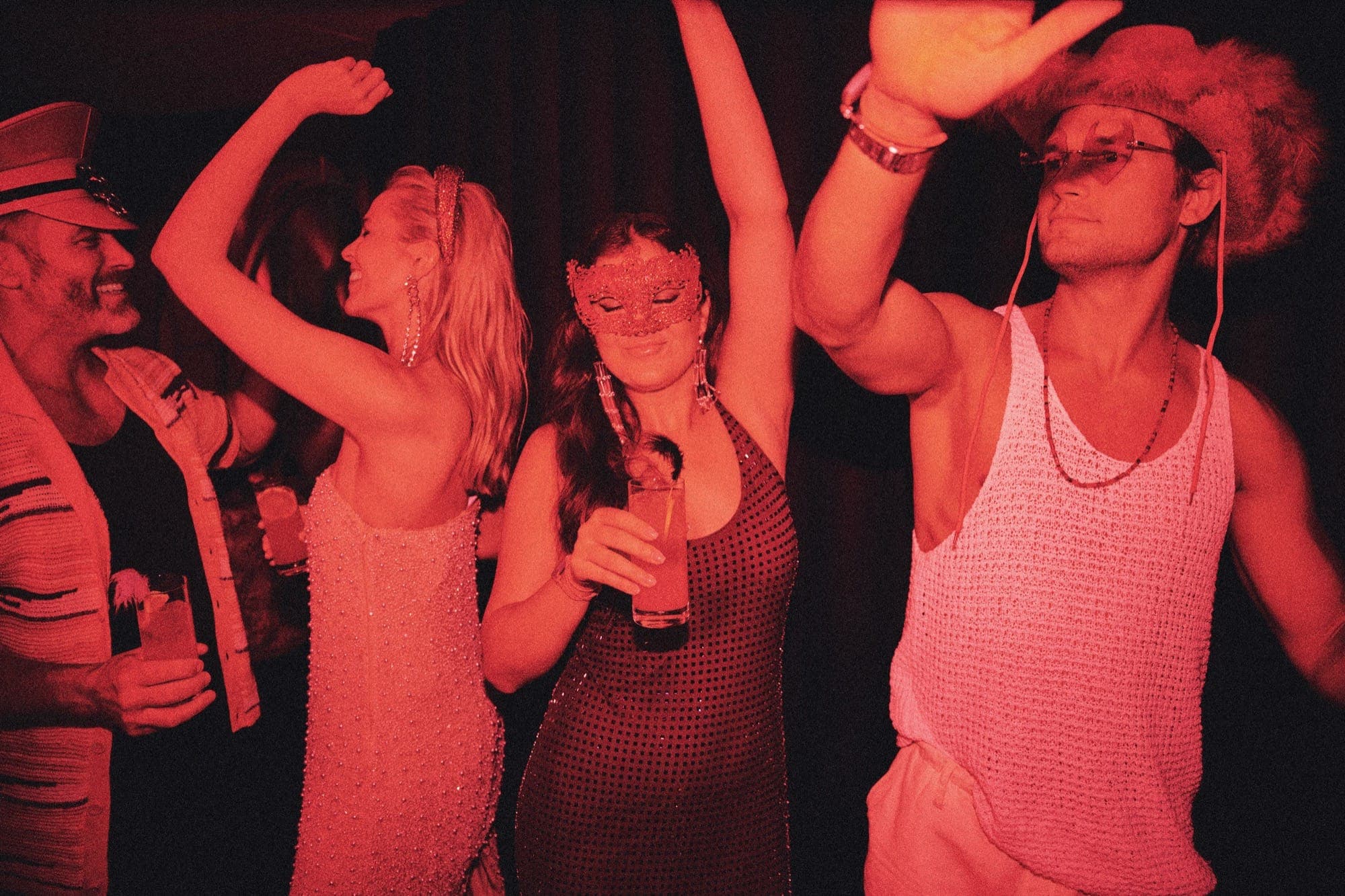
Every cruise line says they're "welcoming to all." Every single one. It's on the website, in the brochure, in the diversity statement buried somewhere in the corporate pages. And every June, the rainbow flags come out.
But here's the question that actually matters: would you feel comfortable holding your partner's hand by the pool?
That's the real test. Not what a company says in a press release, but what it feels like to exist in that space as a queer person.
And the gap between those two things is enormous across the cruise industry.
The Rainbow-Washing Problem
Let me be direct. Most cruise lines tolerate queer passengers. They'll take your money. They won't kick you off the ship. The staff will be professional. And that's... fine, I guess? If your bar for "LGBTQ-friendly" is "they didn't actively discriminate against me," then sure, most cruise lines clear that hurdle.
But tolerance isn't the same as celebration. And a rainbow logo on Instagram in June isn't the same as building your entire brand around genuine inclusion.
Rainbow-washing looks like:
- Changing your logo for Pride Month and doing nothing else
- Advertising to queer travelers without training staff on pronouns or inclusion
- Offering one "Pride cruise" per year while the other 51 weeks feel like a straight vacation
- Using queer imagery in marketing but having no visible representation in leadership, entertainment, or design decisions
I've been on cruises where this was the vibe. Where the brochure said "all are welcome" but the entertainment was exclusively heteronormative. Where the couples' activities assumed man-and-woman. Where being visibly queer felt like being an exception the staff wasn't quite prepared for.
It's not hostile. It's just... not for you. And that feeling, the one where you're technically allowed but clearly not centered, is exhausting. Especially on vacation.
What Real Inclusion Looks Like
This is where I get to talk about Virgin Voyages (and if you want the full review, I wrote an honest take on whether VV is actually LGBTQ-friendly), and I promise this isn't just a sales pitch. I'm genuinely passionate about what VV is doing because it's so different from the rest of the industry.
Gender-neutral restrooms throughout the ship. Not one token restroom tucked in a corner. Multiple, well-placed restrooms across the main decks. This isn't a retrofit. It was part of the design from day one.
Drag entertainment as standard programming. Not a special Pride sailing event. Not a one-off show. Drag performers are part of the regular entertainment lineup on every sailing, year-round. The Diva is a fixture on every VV ship and the shows are incredible.
Crew trained in inclusive language. VV crew members use the language of inclusion naturally, not because someone made them sit through a sensitivity training video. Pronouns, gender-neutral greetings, awareness of different family structures. It's woven into how the crew operates.
Visible representation in marketing. Look at VV's marketing. Queer couples. Diverse body types. People who actually look like real humans and not stock photo models. This stuff matters because it signals who the brand is actually for.
No formal dress code. This might seem minor, but the absence of "formal nights" with their gendered expectations (suits for men, gowns for women) means nobody has to navigate what "black tie" means for their gender identity. You wear whatever you want, every night.
Named #1 LGBTQ+ Cruise Line. Not self-proclaimed. Actually recognized. That doesn't happen by accident.
The Design Difference
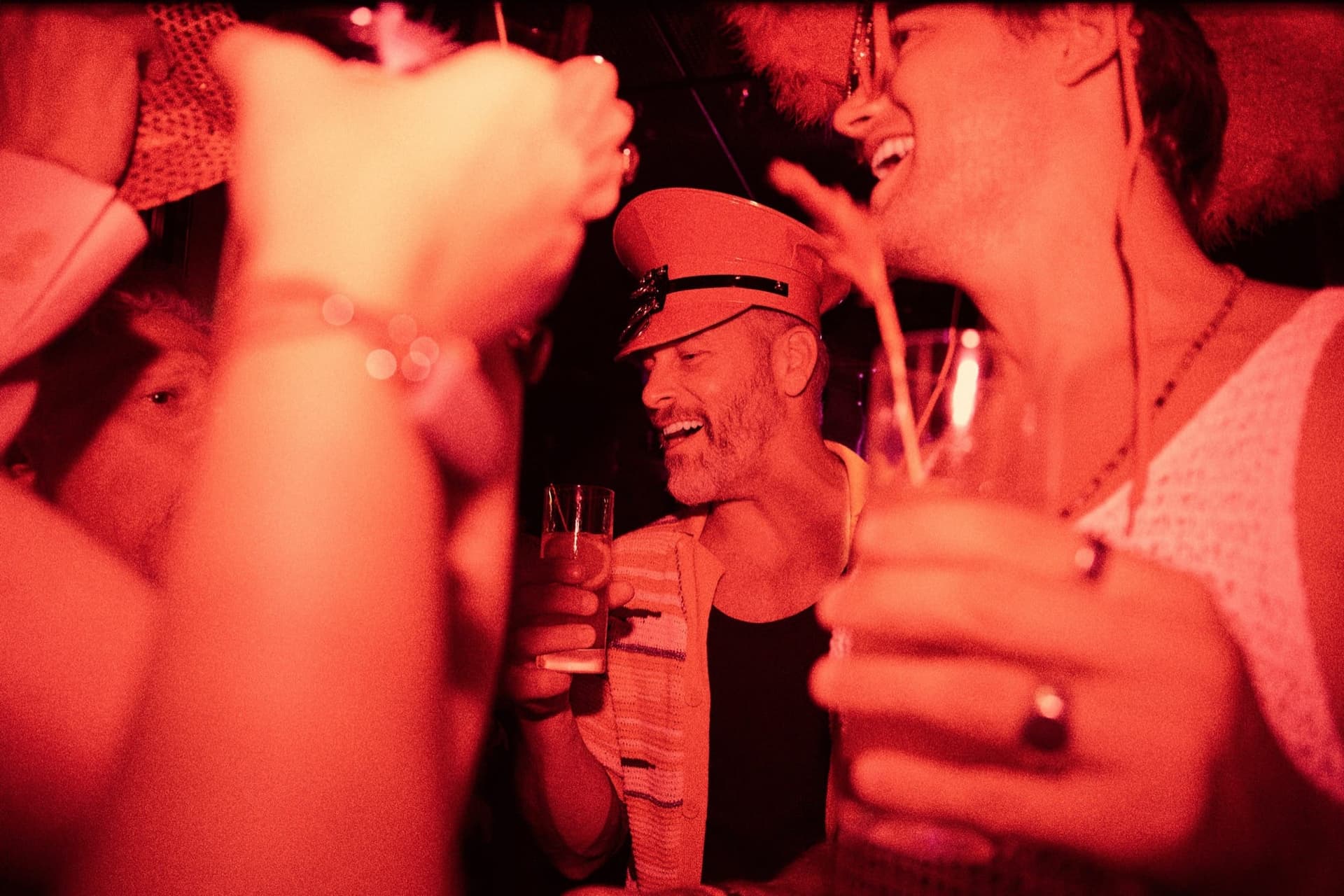
Here's what I think is the most important thing about VV's approach: this isn't retrofitted inclusion. They didn't build a traditional cruise line and then add a Pride flag. They built a cruise line that was inclusive from the beginning.
The adults-only policy means no "family-friendly" compromises on entertainment. The gender-neutral design was baked into the architecture. The entertainment programming was built to be diverse from day one. The crew culture was intentional.
💬 My take: This matters because you can feel the difference between a company that added inclusion as an afterthought and one that started with it as a foundation. It's the difference between a house where they installed a ramp after someone complained and a house that was designed to be accessible from the blueprints.
Where the Industry Still Has Work to Do
I want to be honest here because uncritical praise isn't useful to anyone.
VV is leading, genuinely. But the cruise industry as a whole still has significant gaps.
📌 Heads up: Ships visit countries and territories where LGBTQ+ rights are limited or nonexistent. I have a port-by-port guide covering where you'll feel welcome and where to be aware. This is a real concern, and it's one that no cruise line has fully solved. VV's itineraries include some ports where being visibly queer requires more awareness than it does on the ship. That's worth knowing and planning for.
Trans-specific policies. The industry is getting better here, but "better" doesn't mean "great." Documentation requirements, ID matching policies, medical access on ships. These are areas where even the most progressive cruise lines are still catching up with their own stated values.
Intersectionality. Being LGBTQ-friendly and being genuinely inclusive of queer people of color, queer disabled people, queer people of size, that's a bigger conversation. The cruise industry broadly has work to do on who feels welcome in these spaces beyond just sexuality and gender identity.
Consistency across sailings. Any experience that depends on 1,000+ crew members being individually excellent will have variance. Most VV sailings are incredible. Occasionally, a crew member or a guest interaction reminds you that inclusion is an ongoing practice, not a permanent achievement.
Why It Matters
I started QueerQruises because I got tired of researching whether a vacation would actually be safe and comfortable for queer travelers. That mental load, the pre-trip Googling, the Reddit threads, the "is this place actually welcoming or just technically not illegal." It's draining. And it's something straight travelers simply never have to think about.
VV isn't perfect. No company is. But they're so far ahead of the rest of the cruise industry that the comparison barely makes sense. When I recommend VV to queer travelers, it's because I've been on those ships and I've felt the difference. I've watched queer couples slow dance at The Manor without a single sideways glance. I've seen trans travelers exist in public spaces on the ship without friction. I've experienced Scarlet Night as a genuinely joyful, inclusive celebration.
That's what LGBTQ-friendly actually means. Not tolerance. Celebration.
The Question to Ask
Next time a cruise line tells you they're "welcoming to all," ask these questions:
- Do you have gender-neutral restrooms throughout the ship?
- Is LGBTQ+ representation in your entertainment year-round or just during Pride?
- How do your policies specifically protect and include trans passengers?
- Is your crew trained in inclusive language and pronoun use?
- Can I see queer people in your marketing materials outside of June?
The answers will tell you everything.
If you already know VV is the right fit and you want help picking a sailing, take the quiz. If you want to talk through it, reach out. This is literally what I'm here for.
Not sure which sailing is right for you?
Take the 2-minute quiz and I'll point you in the right direction.
Brandon
Queer-owned travel advisor obsessed with Virgin Voyages. First Mate certified, FORA partnered, and here to help you plan an incredible cruise.